The presence of parasites in the body leads to serious health consequences.These include the development of allergies, general fatigue and decreased immune protection, hypovitaminosis and anemia, as well as nervous system disorders, neuroses, insomnia and poor appetite.All these manifestations can be eliminated with proper treatment directed against parasites, larvae and their eggs, as well as with the use of medications that will restore the metabolic processes interrupted by the presence of uninvited guests in the body.
Removal of parasites: general principles

First of all, the treatment is aimed at completely ridding the body of worms and their larvae.If even one parasite remains in the body, it can lead to re-infection.Medicines alone cannot do this, and this is due to the fact that many parasites are transmitted through dirty hands.In this regard, even if the patient has drunk the medicine for parasites, but at the same time neglects the rules of personal hygiene and constantly comes into contact with the source of parasites (people or animals), a quick re-infection is quite possible.
Therefore, the treatment of parasites consists of two mandatory components:
- The use of anti-parasite medications to remove them from the body.
- Prevention of re-infection (personal hygiene, disinfection of the house, personal items and surfaces, treatment of all family members, pets).
In addition, there is often a need for additional therapy for disorders caused by the parasite during its stay in the body.
Treatment against parasites

The basis of therapy directed against the parasites found in the body is the use of antiparasitic drugs.These medications can affect both adults and their eggs and larvae.The selection of drugs against parasites should be made exclusively by the doctor after receiving the results of all the necessary examinations and assessing the general condition of the patient.Self-administration of parasitic drugs for both treatment and prevention of worms is prohibited and this is explained by several factors.First, all antiparasitic drugs belong to a specific group of chemotherapeutic agents;they have a strong toxic effect on living organisms.And the human body is no exception in this regard.The wrong dose or selection of medications can damage the functioning of the liver or kidneys, without causing any harm to the helminth.
Second, the doctor calculates the dose based on age and weight, using the antiparasitic drug for a short course and the maximum permissible and safe dose.
Third, based on the results of the analysis, a drug for parasites is selected, which will be effective in this particular case, since different types of worms (as well as their larvae and eggs) die from different types of drugs.
Remedies for parasites: drug classification

Drugs that affect parasites and their larval forms, eggs, are divided, depending on the effect on certain groups of worms, into several classes.
The first group are antiparasitic drugs that affect the class of nematodes.They are divided into two subclasses:
- Drugs that are active against intestinal nematodes.
- Drugs acting on extraintestinal nematode species.
The second group includes drugs that have a harmful effect on the class of cestodes.They are also divided into two subgroups:
- Drugs that act on intestinal parasites.
- Drugs that lead to the destruction of cestodes outside the intestinal lumen.
The third group includes all those drugs against parasites that act on trematodes.They are also divided into subcategories:
- Drugs that act on intestinal parasites.
- Drugs that lead to the destruction of cestodes outside the intestinal lumen.
A special place is occupied by drugs of the fourth group, which belong to a wide spectrum of action.This means that such a parasite drug will be effective against most known helminths.
Complementary therapy: treatment of allergies, improvement of well-being
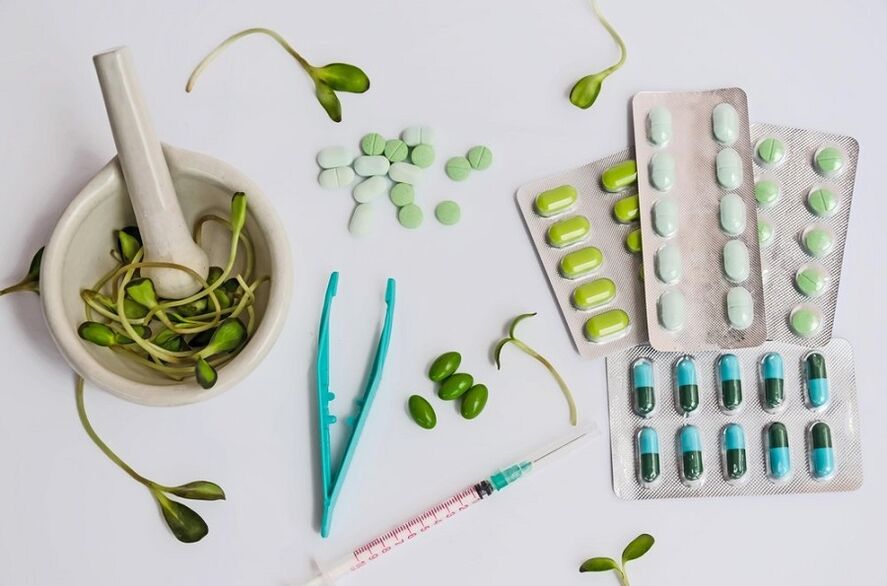
In addition to antiparasitic treatment, medications are often used to improve the patient's condition, normalize well-being and have a general strengthening effect.In addition, due to the strong allergy of the body when infected with parasites, the treatment of allergies with specific agents is also indicated.Allergy appears as a response to the penetration and reproduction of parasites that are foreign to the body;can worsen during a period of mass die-off of parasites.Therefore, antihistamines are sometimes prescribed to prevent exacerbations of allergies during the treatment of helminthiasis.
To relieve intoxication and remove debris and parasite antigens, especially if there is a severe allergy, the simultaneous use of antihistamines and sorbents while taking anthelmintic drugs is indicated.In addition, sorbent and antiallergic therapy begins approximately three days before taking the main drug and continues for at least another 5 days after it.
Often helminthiases lead to disruption of the intestinal microbial flora, and therefore it is recommended to actively consume fermented milk products, plant foods and a preventive course of probiotics to restore the normal biocenosis.During treatment, you should exclude irritating, heavy, dense foods and excessive proteins from your diet.The most useful will be light soups and stews with vegetables, cereals and fermented milk products.It is important to drink plenty of fluids to actively remove toxins from the body.